Impacts of Microplastics on Anammox Systems: A Comprehensive Review of Mechanisms and Influences
DOI:
https://doi.org/10.70737/snyr4m68Keywords:
anammox; microplastics; influencing factors; mechanismsAbstract
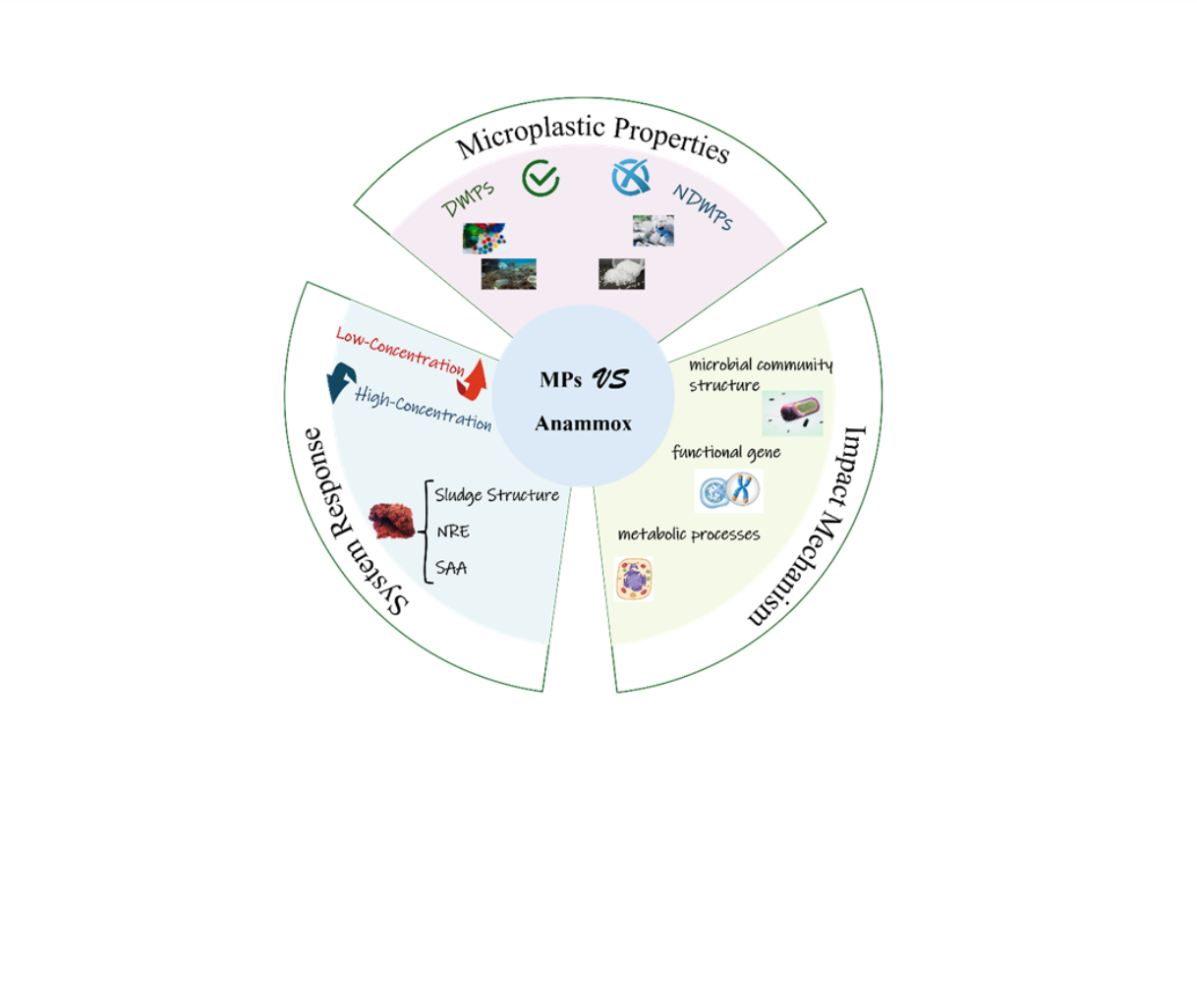
Anaerobic ammonia oxidation (Anammox) technology has emerged as a highly promising biological nitrogen removal approach, exhibiting remarkable technical and economic advantages in treating wastewater with high ammonia nitrogen content and a low carbon-to-nitrogen ratio. However, with the escalating global plastic pollution, microplastics (MPs) have become ubiquitous in wastewater treatment systems. This review systematically collates the research status regarding the sources and classification of microplastics in wastewater treatment plants, and the impacts of MPs on anammox systems. Based on their degradation characteristics, MPs are categorized into two major types: degradable microplastics and non-degradable microplastics. The critical factors influencing anammox processes in the presence of microplastics are comprehensively summarized and analyzed. The impacts exerted by MPs on anammox systems are closely correlated with key factors such as polymer type, particle size distribution, concentration-dependent effects, and exposure duration-dependent responses. Low concentrations of microplastics can act as biofilm carriers or provide carbon sources, thereby facilitating microbial adhesion and growth, and enhancing the nitrogen removal efficiency of the system. In contrast, high concentrations of microplastics usually inhibit anammox activity through pathways including physical clogging, toxic effects, and oxidative stress, which in turn leads to the decline of nitrogen removal performance, damage to sludge structure and alterations of microbial community structure in the system. The underlying mechanisms involve three aspects: shifts in microbial community structure, regulation of functional gene expression, and disturbance of metabolic processes. Finally, this review proposes potential future research directions. This study aims to provide comprehensive theoretical support for the stable operation of anammox systems and environmental risk management against the backdrop of microplastic pollution.
References